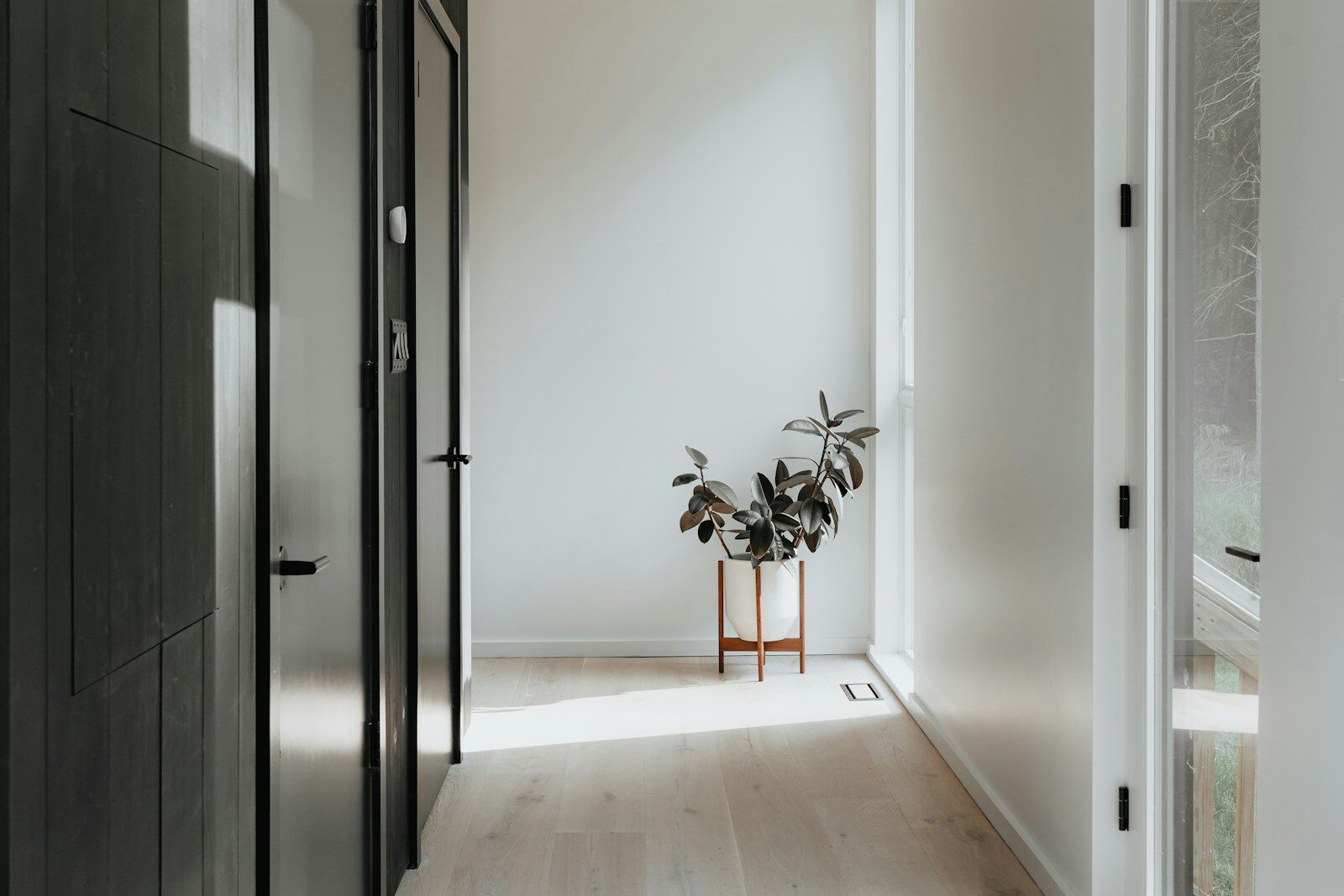
Some parts of a house are easy to overlook. Hallways, landings and boxed-in stairwells often end up as purely functional spaces, places you pass through on the way elsewhere. Yet they shape the feel of a home more than we admit. A gloomy corridor can make even a well-kept house feel cramped, while a brighter one shifts the atmosphere before you’ve even reached the kitchen kettle.
That is why daylight from above has such quiet appeal. In homes where side windows are blocked by neighbouring walls or squeezed by narrow plots, light from above can do what ordinary glazing cannot. A small roof skylight, placed over a landing or stair turn, can turn an awkward dead zone into a space that feels deliberate rather than neglected. It is less about making a dramatic design statement and more about making everyday movement through the house feel better.
Why these forgotten spaces matter
We tend to spend money where guests will notice it, but circulation spaces affect comfort in quieter ways. Natural light helps with orientation, softens shadows on stairs, and makes finishes such as timber handrails or painted walls look better.
- It can cut the need to switch lights on during the day.
- It makes narrow spaces feel less enclosed.
- It often improves the connection between floors in older homes.
There is also something psychologically useful about daylight reaching the middle of the house. It breaks up the sealed-off feeling common in terraces, loft conversions and extended semis. Instead of treating the hallway as wasted square footage, it becomes part of the home’s character. At a time of expensive renovations and overblown interiors, that feels like a modest, sensible upgrade, not flashy, just nicer to live with.
Photo by Clay Banks.